Understanding Air Conditioner Repair Costs: Factors, Average Range, DIY vs. Professional, and Additional Costs
Delve into the world of air conditioner repair costs with this comprehensive guide that explores various factors influencing pricing, average cost ranges, DIY versus professional repair considerations, and additional expenses to keep in mind.
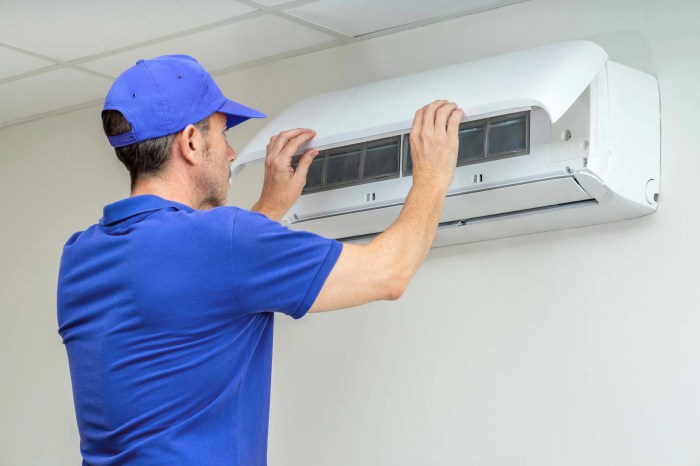
When it comes to air conditioner repair costs, several factors can influence the overall price you may have to pay. Understanding these factors can help you budget and plan accordingly.
The type of repair needed is a significant factor in determining the cost of fixing an air conditioner. Simple repairs like replacing a filter or fixing a minor leak will generally cost less than complex repairs such as replacing the compressor or fixing a refrigerant leak.
The age of the air conditioner also plays a role in repair costs. Older units may require more frequent repairs and replacement parts, which can add up over time. Additionally, older units may be more challenging to repair due to discontinued parts or outdated technology.
The brand of the air conditioner can also impact repair costs. Some brands may have more expensive replacement parts or require specialized technicians for repairs, leading to higher overall costs.
Refrigerant leaks
Recharging the refrigerant can be costly, especially if the leak is hard to locate.
Compressor replacement
The compressor is a vital and expensive component that can significantly increase repair costs.
Electrical issues
Faulty wiring or components can lead to costly repairs to ensure safe and efficient operation.
Regular maintenance can help reduce repair costs in the long run by identifying and addressing issues before they escalate. Simple tasks like cleaning filters, checking for leaks, and tuning up the system can prevent major repairs and prolong the life of your air conditioner.

When it comes to air conditioner repairs, the costs can vary depending on the type of repair needed, the complexity of the job, and the region where you live. Understanding the average cost range for common air conditioner repairs can help you budget and plan accordingly.
Repair costs for air conditioners can also vary based on your location. In areas with a higher cost of living or where HVAC technicians are in high demand, you can expect to pay more for repairs. Conversely, regions with a lower cost of living may have more affordable repair rates.
The complexity of the repair task can significantly impact the final cost of fixing an air conditioner. Repairs that require specialized parts, extensive labor, or advanced technical skills will generally be more expensive. Simple repairs, such as minor component replacements or basic maintenance, tend to be more budget-friendly.

When it comes to air conditioner repairs, homeowners often face the decision of whether to attempt a DIY fix or hire a professional HVAC technician. This choice can have significant cost implications, as well as affect the overall performance and longevity of the air conditioning unit.
Attempting a DIY repair can initially seem cost-effective, as it eliminates the need to pay for professional services. However, there are risks involved in DIY repairs that can lead to more extensive damage and costly repairs in the long run.
On the other hand, hiring a professional technician ensures expertise and quality workmanship, but comes with a higher upfront cost.

When it comes to air conditioner repairs, there are additional costs to consider beyond the average repair cost. These extra expenses can impact the total amount you will pay for getting your air conditioner fixed. It’s essential to be aware of these additional costs to avoid any surprises when the bill arrives.

In conclusion, navigating the realm of air conditioner repair costs involves understanding the complexities of different factors, weighing DIY options against professional services, and being aware of potential additional expenses. Stay informed to make the best decisions for your cooling system.
What factors can affect air conditioner repair costs?
Factors such as the type of repair needed, the age of the unit, and the brand of the air conditioner can influence repair costs.
What are some common repair issues impacting air conditioner repair costs?
Common issues like fixing a refrigerant leak, replacing a compressor, or repairing a faulty thermostat can impact repair costs.
Is it better to attempt DIY repairs or hire a professional for air conditioner repairs?
Comparing the cost implications, benefits, and risks of DIY repairs versus professional services can help in decision-making.
What additional costs should be considered for air conditioner repairs?
Additional costs like service call fees, diagnostic charges, and parts replacement expenses should be factored into the overall repair budget.